Pressure Washing Services

Power washing removes mold, mildew, dirt, loose paint, and debris that may cause damage over time. It also keeps sidewalks, parking lots, and loading docks safe by removing dangerous gum, moss, and grime.

Understanding the differences between pressure and soft washing helps you select the right Pressure Washing Services for your property. Learn about costs, safety considerations, and cleaning benefits so that you can make the best decision for your needs.

Pressure Washing
Pressure Washing Services

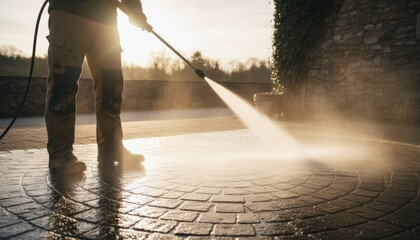
Pressure washing involves the use of high-powered jets of water to clean mud, dirt, grime, mildew, loose paint, moss, algae, and other residue from surfaces. It is often used on exteriors of homes and commercial buildings. While many people try to do pressure washing themselves, it is a task best left for professionals who understand how to use the equipment safely and effectively. They can get rid of the build-up quickly, leaving surfaces looking newer and better maintained. The service can also help prevent damage to surfaces by removing substances that are harmful to them.

Dirt and other debris can cause structural damage to a building, leading to cracks and leaks. Regular pressure washing removes the build-up and prevents damage. In addition, it extends the life of paint and other materials by preventing them from being worn down or eroded by the elements. It also helps make a home or commercial building more attractive, enhancing its curb appeal and increasing its value and resale or rental potential.

Professionals are also experienced in using the equipment to wash sensitive areas, such as around or under decks and patios and other outdoor structures. They know how to balance the amount of pressure with the right cleaning solution and can avoid damage to wood, vinyl, stone, brick, and other materials. In addition, they can safely and effectively reach areas that are difficult to access with a ladder or other tools.

Another benefit of hiring a professional is that they can save time and effort compared to manual scrubbing, especially on large areas or those with multiple levels. The powerful jets of water can reach all areas and crevices, resulting in a much deeper and more thorough clean than manual methods. They can even rinse away chemicals and soaps that are harmful to the soil, reducing environmental pollution.

In addition to saving time and effort, professional pressure washing can help prevent costly repairs down the road. It can eliminate a number of common problems, such as mold, mildew, and moss growth, which can destroy surfaces if left untreated. It can also prepare a surface for staining or painting, as stains and sealants adhere better to a clean surface.

Power Washing

Pressure washing is a quick, powerful way to remove stubborn dirt and grime build-up from exterior surfaces. By using high-pressure water spray, surface contaminants like mold, mildew, rust, and other stains are blasted away, leaving a clean, refreshed appearance that enhances your property’s curb appeal. Power washing is especially effective for concrete surfaces that are heavily soiled and difficult to wash by hand.

When a professional power wash group arrives on your doorstep, they’ll bring industrial-grade electric pressure washers that can produce up to 30,000 psi (580 MPa). The machine’s volume of water (measured in gallons or liters per minute) is typically designed into the pump and not variable, while its power is adjustable with specialized nozzles. Professionals will adjust the water pressure for each surface type and stain to ensure safe, effective cleaning without damage.

The physical force of the high-pressure water blast is the core cleaning factor, but introducing heat into the process boosts its effectiveness and speed. The hot water lowers the surface tension of stains and chemicals, allowing them to penetrate more easily for quicker removal. It also sanitizes the treated surface, eliminating bacteria, germs, and other harmful substances, promoting healthier environments for people and pets.

While power washing is effective on most exterior materials, it’s important to test your surfaces before committing to the service. The heat from the water can cause damage to some delicate materials and finishes, including vinyl, wood, stucco, and certain metals. In addition, the high-pressure water can strip paint and warp brick if it comes into contact with them for too long.

A regular, seasonal or annual schedule of power washing services can help maintain the beauty and value of your property. It’s a great option for homeowners and businesses alike that are looking to restore or maintain their outdoor spaces. By removing mold, mildew, stains, and other surface contaminants, a professional power wash can breathe new life into your property, helping you avoid expensive renovations in the future. It’s a great investment that can boost your home’s curb appeal and improve its overall value.

Soft Washing

Keeping your property clean is important for the overall health of your home, whether you are looking to maintain a pristine lawn or keep your siding looking fresh. Rather than using power washing, which can damage delicate surfaces and structures on your property, try soft washing services instead. This gentle cleaning method uses low pressure and biodegradable chemicals to eliminate dirt, mold, mildew, and other contaminants from outdoor surfaces.

Like power washing, soft wash services use a sprayer to apply a mixture of water and cleaning chemicals to your exterior surface. This allows the cleaning solution to penetrate into and dissolve organic stains that have built up on your structure, including mold, mildew, and algae. While this may not be as effective for removing tough stains, it is a safer and more environmentally friendly way to clean your property.

One of the biggest benefits of soft washing is that it protects your roof and other delicate materials on your property from high-pressure damage. This is especially true if your roof has recently been replaced. Power washing can cause granule loss on your roof, which can reduce the life of your roof and void your warranty. Soft washing is a much gentler process, which means it can remove the same build-up on your roof as a power wash without damaging it.

Another advantage of soft washing is that it can kill the fungus and bacteria that can cause organic stains on your surface. This prevents them from growing back, which can save you money in the long run. It also helps surfaces stay cleaner for longer because it gets to the root of the problem instead of simply washing away the surface stains.

Soft washing is a safe and effective option for a variety of surfaces on your property, from patios and decks to driveways and siding. It can be used to remove mold, mildew, and fungus from concrete, brick, wood, and other building materials. It can even be used on your roof to kill moss and other plant growth.

Although the equipment used for both processes looks similar, there are significant differences in terms of pressure, water volume, and chemical mixtures. This is why it is always best to have a professional handle your soft wash or pressure wash project, as they will know the proper combinations of nozzle extensions and water pressure to ensure the safety of your property.

What You Should Know About Metal Fabrication

Metal Fabrication Boise ID plays a crucial role in modern construction, manufacturing, and design, shaping everything from structural components to decorative architectural elements. While many people encounter fabricated metal products daily, the process behind creating them often remains misunderstood. Metal fabrication is more than simply cutting or welding materials together; it is a detailed craft that blends engineering precision, creativity, and advanced technology. Understanding how fabrication works and why it matters can help property owners, designers, and project planners make more informed decisions when selecting materials and fabrication solutions.

metal fabrication

At its core, metal fabrication refers to the process of transforming raw metal into finished products or structural components through cutting, bending, assembling, and finishing techniques. Fabricators work with various metals, including steel, aluminum, and other alloys, depending on the project’s requirements. Each type of metal has its own strengths, such as corrosion resistance, weight efficiency, or structural durability, making material selection a critical step in the fabrication process. The right combination of materials and techniques ensures that the final product performs reliably while aligning with the intended design.

One of the defining characteristics of metal fabrication is its versatility. Fabricated metal components can be found in stair railings, gates, industrial equipment, architectural panels, and countless other applications. This adaptability makes fabrication an essential part of both large-scale construction projects and smaller custom designs. Because fabrication allows for precise customization, designers are not limited to pre-made components. Instead, they can create unique structures that match specific measurements, functional needs, and visual preferences.

Modern metal fabrication relies heavily on advanced technology. Computer-aided design tools allow fabricators to develop highly detailed models before production begins, ensuring accuracy and reducing material waste. Automated cutting methods, precision welding, and laser-based shaping techniques have elevated the level of detail that can be achieved in fabricated metal pieces. These innovations not only improve efficiency but also open the door to creative possibilities that were once difficult or impossible to execute.

A significant advantage of metal fabrication is its contribution to structural integrity. Fabricated components are designed with strength and performance in mind, allowing them to support heavy loads, resist environmental stress, and maintain stability over time. This makes fabricated metal ideal for applications where reliability is critical. By combining engineering knowledge with skilled craftsmanship, fabricators create products that balance durability with visual appeal, ensuring that structures remain both functional and aesthetically pleasing.

Another important aspect to understand about metal fabrication is the role of customization. Unlike mass-produced items, fabricated metal pieces are often tailored to specific project requirements. This level of personalization allows architects and builders to achieve precise fits and cohesive designs. Custom fabrication also enables the creation of unique patterns, shapes, and finishes, turning metal elements into focal points rather than purely functional components. Whether used in architectural accents or structural frameworks, custom metal fabrication allows for greater creative freedom.

The fabrication process typically involves several key stages, each contributing to the quality and performance of the final product. While methods may vary depending on the project, the process often includes the following steps:

  1. Design and planning, where detailed drawings and measurements are developed to guide production.
  2. Cutting and shaping, which transform raw materials into the desired forms using specialized tools and machinery.

These foundational stages ensure that fabrication begins with accuracy and clarity, reducing the risk of errors during later phases of production.

Durability is one of the main reasons fabricated metal products are widely used in modern construction and design. Properly fabricated metal components can withstand years of exposure to weather, heavy use, and environmental changes. Protective coatings and finishing techniques enhance this durability by preventing corrosion and surface wear. As a result, fabricated metal often requires less maintenance than alternative materials, making it a practical long-term investment for both residential and commercial applications.

Aesthetic flexibility is another advantage that sets metal fabrication apart. Fabricated metal can be finished in a variety of textures, colors, and styles, allowing it to complement a wide range of design themes. Smooth, polished surfaces can create a modern and minimalist appearance, while textured or patterned finishes add depth and character. This versatility makes fabricated metal suitable for both functional structures and decorative features, bridging the gap between engineering and artistry.

Safety is also a critical consideration in metal fabrication. Skilled fabricators follow precise measurements and established standards to ensure that finished products meet structural and safety requirements. From accurate welds to properly spaced components, every detail contributes to the overall reliability of the structure. This focus on safety is especially important in projects involving stairways, railings, gates, or load-bearing elements, where even minor inaccuracies can impact performance.

Beyond performance and aesthetics, sustainability has become an increasingly important topic in metal fabrication. Many metals are recyclable, and their long lifespan reduces the need for frequent replacement. Fabrication processes have also become more efficient, minimizing waste and optimizing material usage. By choosing durable fabricated metal components, property owners can support environmentally responsible building practices while benefiting from reliable and long-lasting solutions.

Collaboration between designers, engineers, and fabricators is another key factor in successful metal fabrication projects. Early communication helps ensure that design ideas are practical and achievable within structural limitations. This collaborative approach allows for creative problem-solving and ensures that the finished product aligns with both the aesthetic vision and functional requirements of the project. When all parties work together from the beginning, the result is often a smoother fabrication process and a more cohesive final outcome.

The adaptability of metal fabrication extends to projects of all sizes. Whether creating a small decorative feature or a large structural framework, fabrication techniques can be scaled to match the scope of the project. This scalability makes metal fabrication an attractive option for a wide range of applications, from private residential spaces to large commercial environments. Regardless of scale, the same principles of precision, durability, and design flexibility apply.

When planning a fabrication project, several factors should be considered to ensure a successful outcome:

  1. Material selection, which affects strength, weight, and long-term performance.
  2. Finishing options, which influence both durability and visual impact.

By carefully evaluating these factors, project planners can make informed decisions that align with their goals and budget while maintaining high-quality results.

Cost efficiency is another benefit of metal fabrication that is often overlooked. While custom fabrication may appear more expensive initially, the long-term savings associated with durability and low maintenance can offset upfront costs. Fabricated metal components are designed to last, reducing the need for frequent repairs or replacements. Additionally, precise fabrication minimizes material waste and installation challenges, which can further contribute to overall cost efficiency.

As architectural trends continue to evolve, metal fabrication remains at the forefront of innovation. Designers are constantly exploring new ways to incorporate fabricated metal into modern spaces, from minimalist structures to bold statement pieces. The combination of advanced technology and skilled craftsmanship ensures that fabrication continues to push the boundaries of what is possible in construction and design. This ongoing evolution makes metal fabrication a dynamic and exciting field that adapts to changing needs and creative visions.

In conclusion, understanding what you should know about metal fabrication begins with recognizing its impact on modern construction and design. From its versatility and durability to its ability to support customized and innovative solutions, metal fabrication offers a powerful blend of function and creativity. By embracing advanced techniques, sustainable practices, and thoughtful design, fabricated metal products continue to shape the built environment in meaningful ways. Whether used for structural components or decorative features, metal fabrication stands as a testament to the possibilities that arise when engineering precision meets artistic vision.

Navigation