Author: Millie Buckley

What You Should Know About Metal Fabrication

Metal Fabrication Boise ID plays a crucial role in modern construction, manufacturing, and design, shaping everything from structural components to decorative architectural elements. While many people encounter fabricated metal products daily, the process behind creating them often remains misunderstood. Metal fabrication is more than simply cutting or welding materials together; it is a detailed craft that blends engineering precision, creativity, and advanced technology. Understanding how fabrication works and why it matters can help property owners, designers, and project planners make more informed decisions when selecting materials and fabrication solutions.

metal fabrication

At its core, metal fabrication refers to the process of transforming raw metal into finished products or structural components through cutting, bending, assembling, and finishing techniques. Fabricators work with various metals, including steel, aluminum, and other alloys, depending on the project’s requirements. Each type of metal has its own strengths, such as corrosion resistance, weight efficiency, or structural durability, making material selection a critical step in the fabrication process. The right combination of materials and techniques ensures that the final product performs reliably while aligning with the intended design.

One of the defining characteristics of metal fabrication is its versatility. Fabricated metal components can be found in stair railings, gates, industrial equipment, architectural panels, and countless other applications. This adaptability makes fabrication an essential part of both large-scale construction projects and smaller custom designs. Because fabrication allows for precise customization, designers are not limited to pre-made components. Instead, they can create unique structures that match specific measurements, functional needs, and visual preferences.

Modern metal fabrication relies heavily on advanced technology. Computer-aided design tools allow fabricators to develop highly detailed models before production begins, ensuring accuracy and reducing material waste. Automated cutting methods, precision welding, and laser-based shaping techniques have elevated the level of detail that can be achieved in fabricated metal pieces. These innovations not only improve efficiency but also open the door to creative possibilities that were once difficult or impossible to execute.

A significant advantage of metal fabrication is its contribution to structural integrity. Fabricated components are designed with strength and performance in mind, allowing them to support heavy loads, resist environmental stress, and maintain stability over time. This makes fabricated metal ideal for applications where reliability is critical. By combining engineering knowledge with skilled craftsmanship, fabricators create products that balance durability with visual appeal, ensuring that structures remain both functional and aesthetically pleasing.

Another important aspect to understand about metal fabrication is the role of customization. Unlike mass-produced items, fabricated metal pieces are often tailored to specific project requirements. This level of personalization allows architects and builders to achieve precise fits and cohesive designs. Custom fabrication also enables the creation of unique patterns, shapes, and finishes, turning metal elements into focal points rather than purely functional components. Whether used in architectural accents or structural frameworks, custom metal fabrication allows for greater creative freedom.

The fabrication process typically involves several key stages, each contributing to the quality and performance of the final product. While methods may vary depending on the project, the process often includes the following steps:

  1. Design and planning, where detailed drawings and measurements are developed to guide production.
  2. Cutting and shaping, which transform raw materials into the desired forms using specialized tools and machinery.

These foundational stages ensure that fabrication begins with accuracy and clarity, reducing the risk of errors during later phases of production.

Durability is one of the main reasons fabricated metal products are widely used in modern construction and design. Properly fabricated metal components can withstand years of exposure to weather, heavy use, and environmental changes. Protective coatings and finishing techniques enhance this durability by preventing corrosion and surface wear. As a result, fabricated metal often requires less maintenance than alternative materials, making it a practical long-term investment for both residential and commercial applications.

Aesthetic flexibility is another advantage that sets metal fabrication apart. Fabricated metal can be finished in a variety of textures, colors, and styles, allowing it to complement a wide range of design themes. Smooth, polished surfaces can create a modern and minimalist appearance, while textured or patterned finishes add depth and character. This versatility makes fabricated metal suitable for both functional structures and decorative features, bridging the gap between engineering and artistry.

Safety is also a critical consideration in metal fabrication. Skilled fabricators follow precise measurements and established standards to ensure that finished products meet structural and safety requirements. From accurate welds to properly spaced components, every detail contributes to the overall reliability of the structure. This focus on safety is especially important in projects involving stairways, railings, gates, or load-bearing elements, where even minor inaccuracies can impact performance.

Beyond performance and aesthetics, sustainability has become an increasingly important topic in metal fabrication. Many metals are recyclable, and their long lifespan reduces the need for frequent replacement. Fabrication processes have also become more efficient, minimizing waste and optimizing material usage. By choosing durable fabricated metal components, property owners can support environmentally responsible building practices while benefiting from reliable and long-lasting solutions.

Collaboration between designers, engineers, and fabricators is another key factor in successful metal fabrication projects. Early communication helps ensure that design ideas are practical and achievable within structural limitations. This collaborative approach allows for creative problem-solving and ensures that the finished product aligns with both the aesthetic vision and functional requirements of the project. When all parties work together from the beginning, the result is often a smoother fabrication process and a more cohesive final outcome.

The adaptability of metal fabrication extends to projects of all sizes. Whether creating a small decorative feature or a large structural framework, fabrication techniques can be scaled to match the scope of the project. This scalability makes metal fabrication an attractive option for a wide range of applications, from private residential spaces to large commercial environments. Regardless of scale, the same principles of precision, durability, and design flexibility apply.

When planning a fabrication project, several factors should be considered to ensure a successful outcome:

  1. Material selection, which affects strength, weight, and long-term performance.
  2. Finishing options, which influence both durability and visual impact.

By carefully evaluating these factors, project planners can make informed decisions that align with their goals and budget while maintaining high-quality results.

Cost efficiency is another benefit of metal fabrication that is often overlooked. While custom fabrication may appear more expensive initially, the long-term savings associated with durability and low maintenance can offset upfront costs. Fabricated metal components are designed to last, reducing the need for frequent repairs or replacements. Additionally, precise fabrication minimizes material waste and installation challenges, which can further contribute to overall cost efficiency.

As architectural trends continue to evolve, metal fabrication remains at the forefront of innovation. Designers are constantly exploring new ways to incorporate fabricated metal into modern spaces, from minimalist structures to bold statement pieces. The combination of advanced technology and skilled craftsmanship ensures that fabrication continues to push the boundaries of what is possible in construction and design. This ongoing evolution makes metal fabrication a dynamic and exciting field that adapts to changing needs and creative visions.

In conclusion, understanding what you should know about metal fabrication begins with recognizing its impact on modern construction and design. From its versatility and durability to its ability to support customized and innovative solutions, metal fabrication offers a powerful blend of function and creativity. By embracing advanced techniques, sustainable practices, and thoughtful design, fabricated metal products continue to shape the built environment in meaningful ways. Whether used for structural components or decorative features, metal fabrication stands as a testament to the possibilities that arise when engineering precision meets artistic vision.
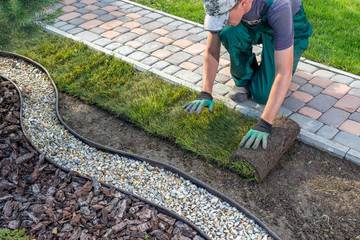
Cost Factors That Affect Landscaping Services Pricing

https://oceaniclandscaping.com/

Landscaping is an investment, and homeowners should feel confident that they’re paying a fair price for high-quality work. However, the pricing model can be confusing to understand, especially since different services have unique costs.

Equipment costs are one of the biggest factors impacting landscaping service pricing. Using professional-grade tools that are safe and fuel-efficient helps ensure your property looks great and reduces maintenance costs. Visit https://oceaniclandscaping.com/ to learn more.

Labor

Labor costs, including employee wages and payroll taxes, account for the largest percentage of landscaping services pricing. These costs vary based on experience level, location, and skill set. A well-trained and experienced crew is essential for high-quality results. Likewise, professional equipment is more expensive to operate than DIY tools and requires regular servicing for efficiency and precision. The type of materials used also affects cost. Low-cost materials like decomposed granite, gravel, and wood are more budget-friendly than flagstones, steel edging, and stucco walls. Incorporating a wide variety of native plants in your design reduces maintenance costs down the road. Agastache, Winterfat, and Big Sage are a few examples of drought-resistant and low-maintenance plant varieties that offer curb appeal and color to any landscape.

Non-living elements such as patios and walkways add complexity and material costs to any project, influencing overall price. Intricate landscaping design and detailed plans also increase prices, especially when involving water features, outdoor kitchens, and other custom garden structures.

Specialized landscaping services, such as soil grading, improve drainage and stability around shrubs and trees. These projects are typically priced higher than basic lawn care, mulching, and bed weeding.

Landscaping services pricing also depends on the size of a property and its visibility. Highly visible properties require more maintenance hours, boosting the cost of landscaping services. Visibility also influences property value, with well-maintained landscapes boosting home values by up to 14%.

Depending on the season, landscapers can adjust their rates to reflect seasonal demand and customer preferences. Premium pricing is possible during peak seasons when demand is highest, while offering discounts in slow seasons can help balance revenue and profitability.

Business overhead costs include expenses like office supplies, licensing fees, insurance, and employee benefits. These expenses are often a hidden factor in landscaping services pricing, influencing a landscaper’s ability to stay competitive and profitable. Calculating a company’s annual overhead costs and dividing them by the number of total labor hours allows landscapers to determine an appropriate hourly rate for each service category.

Materials

Landscaping can improve a home’s curb appeal, boost property value and provide healthy benefits to the environment. However, the cost of landscaping can be intimidating for homeowners. While every project is unique, several core factors consistently influence landscape services pricing. The cost of materials, the scope of work, the type of landscaping, and overhead costs all affect the total price of a job. This guide walks through these factors and explains how to calculate and set pricing for your landscaping projects.

The first step in establishing your prices is to evaluate your material costs. This includes everything from mulch and sod to retaining wall blocks and patio stones. Some of these materials may be available from local suppliers, but others require special ordering or delivery from regional vendors, influencing your final costs. In addition, the quality of your materials impacts prices. For example, high-end or exotic woods and stone are more expensive than more standard options.

Choosing the right materials for your project helps you achieve the desired look while staying within budget. However, you should also consider the long-term impact of your decisions. For example, choosing cheaper or less durable materials could result in lower plant health, faster deterioration and costly replacements.

Another major factor is the scope of work and the level of detail in a design. For example, installing a pond or a water feature requires specialized equipment and labor, increasing your overall costs. In addition, installing hardscaping such as pavers or retaining walls requires careful placement and precise execution, driving up your overall costs.

Some contractors use a unit-based pricing model, charging per square foot, per tree or per meter. While this method is common for smaller jobs, it doesn’t account for the time and effort required to complete a larger landscape renovation. Instead, you should focus on balancing your client’s budget with the scope of their project to find a fair and profitable price point. Finally, incorporating overhead costs into your pricing helps you cover the expenses that are necessary to run your business. This includes business insurance, licensing fees, office overhead and employee benefits.

Equipment

The quality of landscaping services depends on professional-grade equipment, and the cost to own and operate it is a significant factor in service pricing. Lawnmowers, weed eaters, trimmers, and other tools help landscapers provide high-quality work, but they also require regular servicing, repair, and replacement parts. Moreover, the cost of fuel and labor to maintain trucks and other landscaping machinery adds up over time.

Landscaping professionals must also invest in software and technology that improve efficiency, reduce environmental impact, and deliver a high-quality customer experience. For example, routing software helps them optimize routes and save fuel costs. Irrigation sensors help minimize water bills and improve plant health through optimal moisture. And project management software centralizes scheduling, job tracking, and client data to streamline operations.

In addition to equipment and labor, commercial landscaping companies must pay taxes and insurance fees. Insurance protects employees in the event of injury, and workers’ compensation is required for any worker who becomes ill or injured on the job. These expenses are a necessary part of running any business, but they should be included in landscaping estimates to avoid surprises.

While routine landscaping services like mowing, trimming, and edging typically cost $30 to $65 per hour, higher-quality jobs are more costly. These specialized projects may require specialized skills, tools, or materials, and the prices of those assets must be incorporated into each estimate. This ensures that a company will not undercharge customers or lose money on each job.

As a general rule, higher-skilled and more experienced landscaping professionals are paid more than inexperienced employees. These salaries, along with payroll taxes and benefits, are a key part of any landscaping estimate.

For many homeowners, the initial investment in landscaping is well worth the long-term value of increased property value and curb appeal. However, the initial cost can be intimidating for some, so smart businesses focus on building relationships with clients to increase retention and promote cross-selling. Subscription-based pricing models and discounts for buying in bulk are excellent examples of these strategies. As you start planning for 2019, consider how your pricing structure can help build these positive relationships and grow your business.

Overhead

Overhead costs are the ongoing expenses needed to run your business that don’t directly relate to a specific job. They include things like office labor, equipment maintenance and repair, vehicle costs and software. It’s important to understand what makes up your overhead so that you can calculate and build it into every landscaping estimate.

Keeping an eye on overhead expenses is crucial to keeping your landscape company profitable. Uncontrolled expenses will eat into your bottom line and limit your growth potential. Implementing best practices that reduce material waste, optimize routes, minimize fuel and equipment downtime, and use scheduling software to track capacity will all help you manage overhead expenses.

In the landscape industry, it’s easy to overlook or underestimate how much it will cost to complete a project. Yard or lawn sizes, project complexity, and the type of services requested all factor into the final price tag. Understanding how these factors influence prices will help you avoid unexpected surprises when quoting jobs.

The most expensive components of landscaping projects are the non-living elements, such as patios and walkways crafted from stone or permeable paving materials. They can add thousands of dollars to the overall cost of a project, and they’re usually not included in the initial quote, which can cause miscommunication between client and crew.

Ongoing landscape maintenance is another big expense for landscaping pros, and it’s one of the biggest reasons why contractors can fall into the trap of undercharging without realizing it. Many contractors simply tack on a number they think is fair, and it’s often closer to the literal hourly wage rate than actual business overhead.

When you understand the true cost of each service, it’s easier to create a pricing model that’s sustainable and profitable for your landscape company. It’s also easier to spot areas where you can cut corners and still maintain your profit margin.

Landscaping is a broad umbrella term that includes a wide variety of different services. It’s essential to break down the price points for each service, so that you can provide clear and consistent estimates to your clients.

Navigation